Addiction affects every aspect of a person’s life—physical health, mental well-being, relationships, and career stability. For individuals struggling with moderate to severe substance use disorders, inpatient addiction treatment offers a structured and supportive environment designed to promote long-term recovery. By combining medical care, therapeutic interventions, and peer support, these programs provide a comprehensive path toward healing.
What Is Inpatient Addiction Treatment?
Inpatient addiction treatment, also known as residential treatment, requires individuals to live at a treatment facility for a designated period of time. Programs typically range from 30 to 90 days, though some may extend longer depending on individual needs.
Unlike outpatient care, inpatient addiction treatment removes individuals from environments that may contribute to substance use. This separation reduces exposure to triggers and allows patients to focus fully on recovery without the distractions or pressures of daily life.
Most residential programs operate in licensed treatment centers staffed by medical professionals, therapists, and support personnel who specialize in addiction care.
Medical Detox and Stabilization
For many individuals, recovery begins with medical detoxification. Withdrawal symptoms can be uncomfortable—and in some cases, dangerous—depending on the substance involved. Under the supervision of healthcare professionals, patients are monitored to ensure safety and comfort during the detox process.
According to the Substance Abuse and Mental Health Services Administration (SAMHSA), medically supervised detox improves safety outcomes and increases the likelihood that individuals will continue treatment. During this phase, medications may be administered to manage withdrawal symptoms, reduce cravings, and stabilize physical health.
Once detox is complete, patients transition into the therapeutic phase of inpatient addiction treatment.
Evidence-Based Therapies
A core component of inpatient addiction treatment is structured therapy. Evidence-based approaches are used to help individuals understand the underlying causes of their substance use and develop healthier coping strategies.
Common therapeutic methods include:
Cognitive Behavioral Therapy (CBT):
CBT helps patients identify negative thought patterns and behaviors that contribute to substance use. By reframing these thoughts, individuals learn to respond to stress and triggers in healthier ways.
Dialectical Behavior Therapy (DBT):
Often used for individuals with co-occurring mental health conditions, DBT focuses on emotional regulation, distress tolerance, and interpersonal effectiveness.
Individual Counseling:
One-on-one sessions provide a confidential space to explore trauma, family dynamics, or mental health concerns that may fuel addiction.
Group Therapy:
Group sessions foster connection and shared understanding. Hearing others’ experiences can reduce feelings of isolation and build accountability.
Research supported by organizations like the National Institute on Drug Abuse emphasizes that combining behavioral therapies with medical support leads to stronger recovery outcomes.
Dual Diagnosis and Mental Health Support
Many individuals entering inpatient addiction treatment also struggle with co-occurring mental health disorders such as anxiety, depression, or post-traumatic stress disorder. Addressing these conditions simultaneously—often referred to as dual diagnosis treatment—is critical for sustainable recovery.
Integrated care ensures that both addiction and mental health concerns are treated together rather than separately. Psychiatric evaluations, medication management, and specialized therapy sessions are often incorporated into the treatment plan.
By treating the whole person, inpatient programs help reduce the risk of relapse driven by untreated mental health symptoms.
Structured Daily Routines
Structure is a powerful tool in recovery. Inpatient addiction treatment programs typically follow a carefully designed daily schedule that may include therapy sessions, educational workshops, physical activity, and personal reflection time.
A consistent routine provides stability and helps rebuild healthy habits. Patients learn time management, stress management, and self-care practices that can be carried into life after treatment.
Educational sessions often focus on topics such as relapse prevention, communication skills, and understanding the science of addiction. These lessons empower individuals with practical knowledge that supports long-term sobriety.
Peer Support and Community
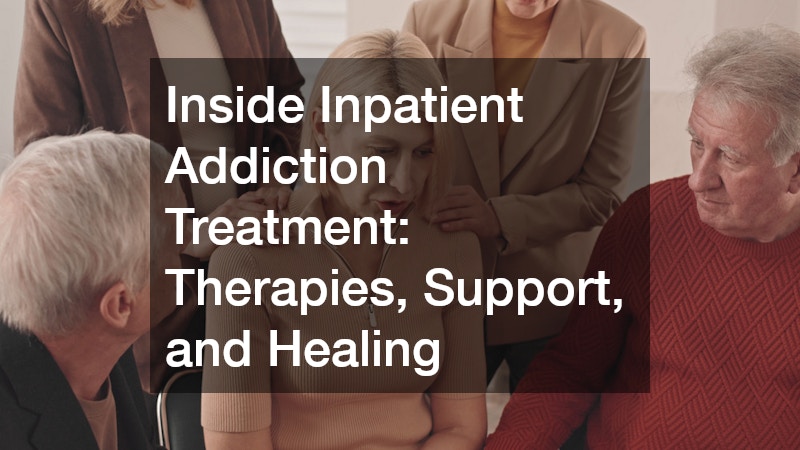
Healing rarely happens in isolation. One of the most valuable aspects of inpatient addiction treatment is the sense of community it fosters. Living alongside others who share similar challenges creates opportunities for mutual encouragement and accountability.
Peer support groups allow individuals to share progress, setbacks, and insights in a safe environment. These connections can form the foundation of a lasting support network that continues after discharge.
Family involvement may also be incorporated into treatment. Family therapy sessions help rebuild trust, improve communication, and address relational patterns that may have contributed to substance use.
Aftercare Planning and Ongoing Support
Recovery does not end when a residential program concludes. A critical component of inpatient addiction treatment is comprehensive aftercare planning. Before discharge, treatment teams collaborate with patients to develop a plan for maintaining sobriety outside the structured environment.
Aftercare may include outpatient therapy, support group participation, sober living arrangements, or continued medication management. By establishing a clear roadmap for continued care, individuals are better equipped to navigate the challenges of early recovery.
Relapse prevention strategies are also emphasized, helping patients identify personal triggers and develop proactive coping mechanisms.
A Foundation for Lasting Change
Inpatient addiction treatment provides more than temporary stabilization—it offers a foundation for meaningful, long-term change. Through medical supervision, evidence-based therapy, mental health support, and peer connection, individuals gain the tools needed to rebuild their lives.
While recovery is a personal journey that continues beyond residential care, the immersive and supportive nature of inpatient addiction treatment can serve as a powerful starting point. For those facing severe substance use challenges, stepping into a structured treatment environment may be the turning point that leads toward healing, stability, and renewed hope.