Explore the key considerations and questions individuals should address when seeking in-home health care services. From understanding service options to ensuring the best care for loved ones, this guide will provide valuable insights. As more individuals opt for in-home care over traditional facilities, the range of services and available choices has expanded significantly. Personalization is at the forefront of these services, allowing clients to craft a care plan that directly meets their specific needs. The objective is to support not only basic health requirements but also enhance the quality of life within the home environment.
The emergence of various in-home care agencies has diversified the selection pool. With a plethora of options, it’s crucial to understand what each service provider offers and how it matches with your individual needs or that of your loved ones. Moreover, in-home health care is not limited to simply accommodating medical needs; it also encompasses emotional, physical, and social wellness. This comprehensive approach is essential for maintaining the overall well-being of individuals who prefer to live independently. Thus, being informed and asking the right questions becomes an indispensable part of the process.
What Services Are Typically Offered in In-Home Health Care?
In home health care services encompass a wide variety of offerings designed to accommodate different levels of need. Basic services might include assistance with daily living activities such as bathing, dressing, and meal preparation. More specialized services can include medical care provided by licensed professionals, including physical therapy, wound care, and medication management. Furthermore, some in-home care programs offer services such as transportation to medical appointments, grocery shopping, and even light housekeeping. These comprehensive programs allow individuals to receive personalized care directly in the comfort of their own homes.
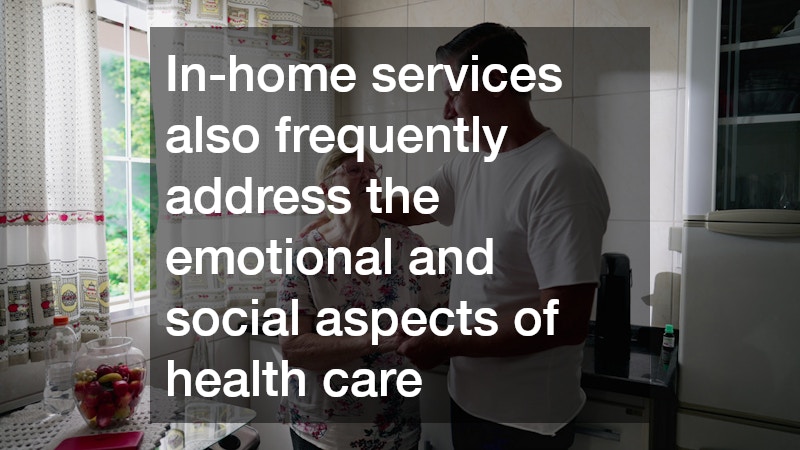
Beyond medical and practical support, in-home services also frequently address the emotional and social aspects of health care. Companionship services, which pair clients with caregivers for social interaction and engagement, are an important part of this. Such interactions help combat feelings of isolation and loneliness, which are common among elderly individuals living alone. Additionally, some in-home services focus on mental health support, offering counseling or connections to community resources. This holistic approach ensures that clients receive the most well-rounded care that upholds their autonomy while promoting wellness in all aspects of life.
How Do I Choose the Right In-Home Health Care Provider?
Selecting the right in-home health care provider involves several critical considerations to ensure that the needs of the individual are fully met. It begins with assessing the qualifications and credentials of the providers. You should verify that caregivers have appropriate certifications or licenses, which reassures you of their capability and professionalism. Additionally, you must assess the provider’s reputation through reviews or referrals from other clients and industry benchmarks. Equally important is understanding the provider’s ability to deliver personalized care plans that align closely with the personal needs and preferences of the care recipient.
Communication is another essential factor often overlooked when selecting a health care provider. The provider’s ability to maintain open, ongoing communication helps ensure that all aspects of care are clearly understood and agreed upon by all parties involved. This includes regular updates about the recipient’s health status and any adjustments to the care plan as needed. Trust plays a significant role in developing a positive relationship between the client and the provider, which can have a direct impact on the effectiveness of the care received. In sum, an ideal provider would not only meet your primary expectations but also foster a harmonious and collaborative environment.
What Are the Costs and Insurance Options?
Understanding the financial aspects of in-home health care is crucial for making informed decisions and ensuring the sustainability of the preferred services. Typically, the cost of services can vary widely depending on the level of care required, the duration of care needed, and the geography of services rendered. For instance, specialized medical care like wound dressing or physical therapy sessions will generally cost more than routine personal care. In response to these costs, many service providers offer customized plans that match the client’s budget while still meeting essential care needs. Nonetheless, maintaining transparency about projected expenses upfront can prevent unexpected financial burdens.
Insurance options for in-home health care largely depend on policies and the extent of coverage under your health insurance plan. Many insurance providers, including Medicare and Medicaid, offer some level of coverage for certain types of in-home care services, particularly those deemed medically necessary. It is essential to consult directly with insurance companies to understand the coverage terms, limitations, and any prerequisites for service approval. Additionally, some states offer waiver programs that can provide financial relief or subsidies for qualifying individuals looking to receive in-home care. Exploring these options is vital to managing costs effectively.
Finally, the rise of in-home health care signifies a broader shift towards acknowledging the individual’s identity, preferences, and dignity as part of holistic wellness. It’s crucial for individuals and loved ones to be well-informed, exploring all aspects of potential service providers, costs, and care offerings. As we navigate an increasingly complex health care landscape, thoughtful and informed decisions can secure not just care but a better quality of life. Investing effort in asking the right questions today lays the groundwork for a healthier and more fulfilled tomorrow.