
A healthy household is built through everyday habits, open communication, preventive care, and a willingness to address concerns before they become more serious. Family health involves much more than avoiding illness. It includes emotional well-being, physical activity, nutrition, dental care, personal confidence, healthy relationships, and access to appropriate medical services. When household members support one another, it becomes easier to make positive choices and maintain routines that benefit everyone.
Find Support for Emotional and Mental Well-Being
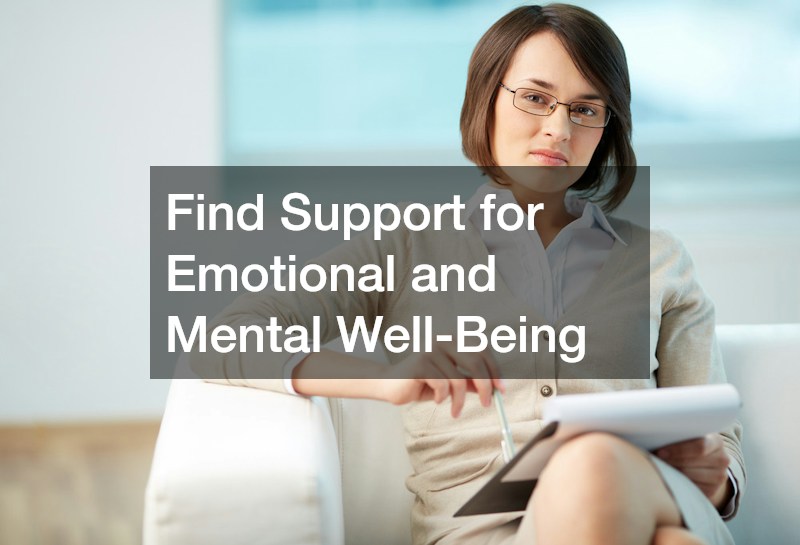
Emotional health affects how people manage stress, communicate, make decisions, and respond to difficult experiences. Family members may face challenges involving work, school, relationships, grief, financial pressure, major life changes, or ongoing health concerns. When these challenges begin to interfere with daily life, seeking professional support can be an important step.
A therapist can help individuals, couples, or families explore concerns and develop practical coping strategies. Therapy may address anxiety, depression, communication difficulties, trauma, grief, parenting challenges, or conflict within the household. Different approaches are available, so families should consider a provider’s training, experience, treatment methods, and compatibility with the person seeking care.
Parents can support children by taking emotional concerns seriously and creating opportunities for honest conversations. Children may express distress through changes in sleep, appetite, behavior, school performance, or social interaction rather than directly describing their feelings. A calm, supportive response can help them feel safe discussing what they are experiencing.
Adults should also make time for their own emotional needs. Rest, social connection, physical activity, and healthy boundaries can support mental well-being, but these habits may not replace professional care when symptoms persist. Seeking help is a responsible health decision, not a sign of weakness. When family members prioritize emotional health, they can build a more understanding and supportive household.
Learn About Options for Managing Hormonal Changes
Hormonal changes can affect energy, sleep, mood, metabolism, sexual health, and overall quality of life. These changes may occur during puberty, pregnancy, the postpartum period, perimenopause, menopause, or other stages of life. Certain medical conditions and treatments can also affect hormone levels.
Hormone replacement may be considered for some people experiencing symptoms related to reduced hormone production. Depending on the individual’s needs, treatment may involve different forms of medication and may be used to address symptoms such as hot flashes, night sweats, vaginal dryness, or other hormone-related concerns. Treatment decisions should be based on a person’s symptoms, medical history, age, risk factors, and treatment goals.
Families can support members experiencing hormonal changes by practicing patience and avoiding assumptions about mood or behavior. Sleep disruptions, fatigue, discomfort, and other symptoms may affect daily routines and relationships. Open communication can reduce misunderstandings and make it easier to identify helpful adjustments.
Anyone considering hormone-related treatment should speak with a qualified medical professional. Hormone therapy is not appropriate for everyone, and potential benefits and risks should be discussed carefully. A provider may recommend monitoring, alternative treatments, lifestyle changes, or additional testing. Support from family members can make the process easier, especially when symptoms affect sleep, work, or household responsibilities.
Explore Treatments That Support Healthy-Looking Skin
Skin health is influenced by genetics, age, sun exposure, hydration, nutrition, medications, and daily habits. A consistent skin-care routine can help protect the skin and address common concerns, but some people may also explore professional treatments for texture, tone, scarring, or signs of aging.
PRP skin treatment uses platelet-rich plasma prepared from a person’s own blood. The plasma contains concentrated platelets and growth-related substances that may support the body’s natural repair processes. Depending on the treatment plan, PRP may be used for certain cosmetic concerns, including skin texture, fine lines, or acne scars. Results can vary, and not every concern responds in the same way.
Families can encourage healthy skin habits by making sun protection part of everyday life. Broad-spectrum sunscreen, protective clothing, shade, and avoidance of excessive tanning can help reduce sun-related skin damage. Gentle cleansing, appropriate moisturization, and avoiding harsh products may also support the skin barrier.
Before choosing a cosmetic procedure, individuals should consult a qualified medical provider who can explain the process, expected results, possible side effects, and alternatives. It is important to discuss allergies, skin conditions, medications, and any history of unusual scarring. Healthy-looking skin is best supported through a combination of realistic expectations, consistent care, and informed professional guidance.
Restore Comfort and Confidence With Tooth Replacement Options

Oral health plays an important part in nutrition, communication, comfort, and self-confidence. Missing teeth can affect chewing, speech, facial structure, and the way a person feels about smiling. Untreated tooth loss may also contribute to changes in the surrounding teeth and jawbone.
Dental implants are one option for replacing missing teeth. They typically involve a small post placed into the jawbone to support a crown, bridge, or other restoration. Because implants are designed to integrate with the surrounding bone, they can provide a stable foundation for replacement teeth. The process may involve several stages, including evaluation, planning, placement, healing, and restoration.
Not everyone is an immediate candidate for implants. A dental professional may assess bone density, gum health, overall health, smoking habits, and oral hygiene before recommending treatment. Additional procedures may sometimes be necessary before implant placement.
Families can support good oral health by encouraging brushing twice daily with fluoride toothpaste, cleaning between teeth, limiting frequent sugary snacks, and scheduling regular dental visits. Children benefit from learning these habits early, while adults should continue preventive care even if they have restorations or replacement teeth.
Tooth replacement should be approached as an individualized decision. A qualified dental provider can explain the advantages, limitations, costs, maintenance requirements, and alternatives available for each situation.
Build Healthy Habits for Managing Blood Sugar
Blood sugar management is an important part of health for people living with diabetes. Consistent care can help reduce the risk of complications and support energy, daily functioning, and long-term well-being. Diabetes affects people differently, so care plans should be tailored to the individual’s condition, medications, lifestyle, and medical needs.
Diabetes care may include monitoring blood glucose, taking prescribed medication, following an appropriate eating plan, staying physically active, attending medical appointments, and recognizing signs of unusually high or low blood sugar. Some people may need insulin, while others may manage their condition with oral medication, non-insulin injections, or lifestyle changes.
Family support can make diabetes management easier. Household members can help by preparing balanced meals, keeping appropriate snacks available, joining in physical activities, and learning how to respond to an emergency according to the person’s care plan. It is important, however, to avoid being controlling or judgmental. Support should promote independence and respect the individual’s preferences.
Regular medical visits may include checks of blood pressure, cholesterol, kidney function, eye health, foot health, and other factors associated with diabetes. Families should also understand that illness, stress, changes in activity, and certain medications can affect blood sugar.
A supportive household can help make diabetes care feel like a manageable part of daily life rather than an isolated responsibility.
Choose Personal Care Services That Fit Your Family’s Needs
Personal grooming can support hygiene, comfort, confidence, and self-expression. Hair care needs vary by age, hair texture, lifestyle, and personal preference. Establishing a regular routine can help family members maintain healthy hair and identify changes that may require attention.
A hair salon can provide services such as haircuts, styling, coloring, conditioning treatments, and guidance about suitable products. Families should select services based on individual needs rather than trends alone. Children may need simple, low-maintenance styles, while adults may prefer services that fit professional, recreational, or personal routines.
Hair and scalp health should also be considered. Excessive heat styling, tight hairstyles, harsh chemical treatments, and frequent bleaching may contribute to breakage or irritation. Gentle handling, appropriate conditioning, and protection from excessive heat can help reduce damage.
Parents can help children develop healthy grooming habits by teaching them how to wash, detangle, and care for their hair without creating unnecessary pressure about appearance. Older family members may need assistance with grooming because of limited mobility or other challenges.
If someone experiences sudden hair loss, persistent scalp irritation, sores, or unusual changes in hair texture, a medical professional may be able to identify an underlying cause. Personal care services can improve appearance and confidence, but they should complement, rather than replace, appropriate health care.
Understand Options for Supporting Bone Health

Strong bones provide structure, protect internal organs, and support movement. Bone health is influenced by age, genetics, physical activity, nutrition, hormone levels, medications, and certain medical conditions. Families can support healthy bones by encouraging weight-bearing activity, adequate calcium and vitamin D intake, and habits that reduce the risk of falls and injuries.
Some individuals may experience bone loss because of osteoporosis, injury, infection, or other conditions. In certain dental, orthopedic, or reconstructive procedures, a synthetic bone graft may be considered to provide structural support or help promote bone growth. Synthetic graft materials are designed to serve as a substitute or scaffold when natural bone is insufficient for a particular procedure.
The suitability of a graft depends on the location of the treatment, the amount of bone needed, the person’s health, and the goals of the procedure. A qualified surgeon or dental professional can explain the material being considered, the expected healing process, possible risks, and available alternatives.
At home, families can reduce fall risks by improving lighting, removing loose rugs from walking paths, securing cords, and keeping stairways clear. Children should use appropriate protective equipment during sports, while older adults may benefit from balance exercises and medication reviews.
Bone health should be considered throughout life. Consistent movement, nutritious meals, preventive screenings when recommended, and prompt evaluation of injuries can help support mobility and independence.
Encourage Healthy Coping Skills and Positive Relationships
Behavioral health includes the connection between emotions, thoughts, actions, relationships, and physical well-being. A household’s communication patterns and daily environment can influence how family members manage stress and respond to challenges.
Behavioral health support may involve counseling, skills training, treatment for mental health conditions, substance-use support, family therapy, or programs that address behavior and emotional regulation. The appropriate form of care depends on the person’s age, circumstances, symptoms, and goals.
Families can encourage healthy coping by making time for rest, physical activity, hobbies, social connection, and meaningful conversations. Children may benefit from predictable routines and clear expectations, while teenagers and adults may need opportunities for independence and privacy.
Conflict is a normal part of family life, but repeated criticism, avoidance, or hostility can damage relationships. Using respectful language, listening without interrupting, and discussing problems when everyone is calm can support healthier communication. Family members should also learn to recognize signs that someone may need additional help, such as prolonged isolation, major behavior changes, persistent sadness, anger, or difficulty completing everyday responsibilities.
A supportive home should not require anyone to hide their struggles. Encouraging professional assistance when needed can help family members develop healthier responses and strengthen relationships over time.
Prepare for Your Pet’s Unexpected Medical Needs
Pets are important members of many households, and their health can affect the emotional well-being of the entire family. Preventive veterinary care, appropriate nutrition, vaccinations, parasite control, dental care, and regular examinations can help identify problems early.
Even with good routine care, pets may experience accidents, sudden illness, poisoning, breathing difficulties, or other urgent conditions. Families should know where to find an emergency vet before a crisis occurs. Keeping the clinic’s contact information accessible and knowing the route to the facility can save valuable time.
Potential emergencies may include uncontrolled bleeding, difficulty breathing, collapse, seizures, severe injury, repeated vomiting, suspected poisoning, or an inability to urinate. When these signs appear, owners should contact a veterinary professional promptly rather than waiting to see whether the condition improves.
A household pet first-aid kit may include clean towels, gauze, disposable gloves, a leash or carrier, and important medical records. However, first aid should not delay professional treatment or involve giving medication without veterinary direction.
Children should learn to approach unfamiliar or injured animals cautiously. Pets experiencing pain or fear may bite even if they are normally gentle. Preparing in advance helps families respond calmly and responsibly when a pet needs urgent care.
Learn What to Expect From Advanced Imaging Appointments

Medical imaging can help providers evaluate injuries, investigate symptoms, monitor conditions, and plan treatment. Different imaging methods serve different purposes, and the appropriate option depends on the body area being examined and the medical question being addressed.
An open MRI test may be an option for some patients who feel uncomfortable in traditional enclosed MRI machines. Open MRI equipment may provide a more spacious design, although the exact structure varies by facility and the images produced may differ from those of other MRI systems. A provider will determine whether the available equipment is appropriate for the required examination.
Before an MRI appointment, patients should share information about implanted medical devices, metal fragments, prior surgeries, medications, and any concerns about confined spaces. Certain devices or materials may affect whether an MRI can be performed safely. Patients should follow the imaging center’s instructions regarding clothing, food, medication, and preparation.
During an MRI, the patient generally needs to remain still while the equipment produces detailed images. The machine may make loud sounds, and hearing protection is commonly provided. Some examinations involve contrast material, which requires additional screening and discussion of possible risks.
Families can help by arranging transportation when needed, preparing questions, and providing reassurance. Understanding the purpose of the scan and what will happen during the appointment can reduce anxiety and support a smoother experience.
Ultimately, family wellness is not about meeting an unrealistic standard. It is about creating a home where people can communicate openly, access appropriate care, recover from setbacks, and encourage one another. With small, consistent efforts and timely professional guidance, families can build a healthier environment that supports comfort, confidence, resilience, and long-term well-being.