
When we think about athletic greatness, we often picture grueling training sessions, heavy weights, and endless hours of practice. However, the true secret to long-term athletic performance lies not just in how hard you push your body, but in how effectively you allow it to heal. Muscle recovery is the foundational pillar of sustained physical excellence. Without proper recuperation, muscle fibers cannot rebuild, the central nervous system remains in a state of high alert, and the risk of catastrophic injury rises exponentially. This comprehensive guide explores why prioritizing your recovery is non-negotiable if you want to compete at your highest level for years to come. By integrating a holistic approach that includes optimizing joint alignment, leveraging hydrotherapy, and addressing psychological well-being, athletes can unlock unprecedented levels of durability.
Boost Game Speeds
Athletic speed and explosive power are deeply intertwined with the nervous system’s ability to fire efficiently and the muscular system’s capacity to contract forcefully. When athletes consistently overtrain without allowing adequate time for cellular repair, they experience a natural decline in their fast-twitch muscle fiber responsiveness. General recovery protocols, such as proper sleep and targeted stretching, help to reset this neuromuscular connection. By clearing out metabolic waste products like lactic acid and replenishing glycogen stores, the body primes itself to move faster and react quicker during high-stakes competitions. Ignoring this phase of training guarantees sluggish movements and diminished explosive output on the field or ice.
Applying these broad recovery concepts to specific sports reveals just how crucial specialized training and deliberate practice can be for speed. For example, an athlete might take a dedicated hockey lesson focused entirely on skating biomechanics rather than just exhausting cardiovascular output. By slowing down to analyze edge work, stride length, and energy transfer, players allow their overworked major muscle groups to recover while simultaneously improving the technical efficiency that ultimately translates to higher game speeds. This focused, lower-intensity skill acquisition acts as a form of active recovery that directly enhances fast-paced performance.
Align Your Spine
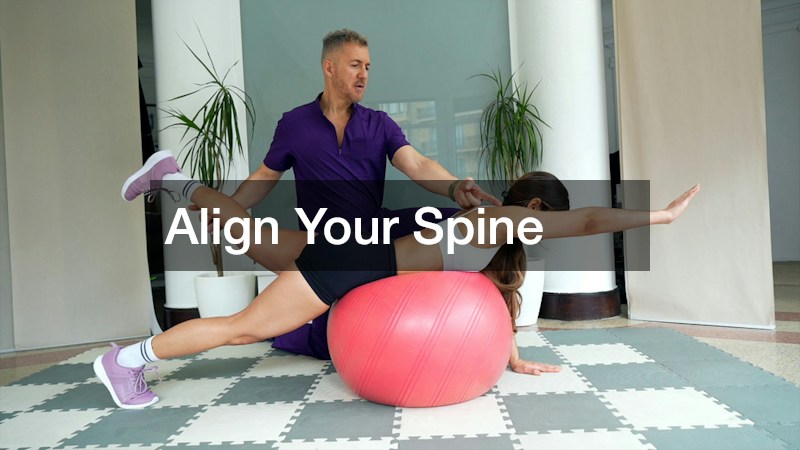
The human spine is the central highway for the nervous system, transmitting signals from the brain to every muscle, tendon, and ligament in the body. When athletes subject themselves to repetitive impacts, asymmetrical movements, and heavy loads, the structural integrity of the spine can become compromised. General alignment issues can lead to nerve interference, which in turn causes muscle imbalances, delayed reaction times, and chronic tightness as the body attempts to protect itself. Maintaining a healthy, properly aligned spine ensures that energy flows optimally throughout the body, allowing muscles to fire in perfect coordination and recover without compensating for structural weaknesses.
To address these biomechanical imbalances, athletes often require specialized, hands-on interventions that go beyond basic stretching or foam rolling. Receiving a precise chiropractic adjustment can instantly relieve pressure on compressed nerves and restore normal joint mechanics in the vertebral column. This specific structural correction allows the surrounding musculature to finally relax and begin the deep healing process, drastically reducing the time it takes to bounce back from intense physical exertion and preventing long-term degenerative injuries from cutting an athletic career short.
Buy Recovery Tubs
Heat therapy and hydrostatic pressure have been utilized for centuries to accelerate the body’s natural healing mechanisms. Immersing the body in warm water causes blood vessels to dilate, which significantly increases circulation to damaged muscle tissues. This enhanced blood flow delivers essential nutrients and oxygen while simultaneously flushing out the metabolic byproducts of intense exercise. Furthermore, the buoyancy of the water provides a gravity-reduced environment, taking the mechanical load off exhausted joints and allowing the musculoskeletal system to achieve a state of complete relaxation that is nearly impossible to replicate on dry land.
For athletes serious about integrating consistent hydrotherapy into their daily routines, bringing this technology home is a highly effective strategy. By consulting with specialized hot tub dealers, individuals can find units specifically designed with powerful, targeted hydro-massage jets that cater to athletic recovery. Investing in a personal therapeutic spa ensures that you have immediate, convenient access to deep tissue heat therapy exactly when you need it most—right after a grueling workout—rather than having to travel to a separate wellness facility while your muscles are already beginning to stiffen.
Ease Mental Stress

The psychological demands of high-level athletics often mirror, and sometimes exceed, the physical toll placed on the body. Chronic mental stress triggers the release of cortisol and other stress hormones, which can actively inhibit muscle protein synthesis and impair the immune system. When the mind is constantly racing with performance anxiety, tactical overthinking, or the pressure to win, the body remains in a sympathetic “fight or flight” state, making deep, restorative sleep virtually impossible. True athletic recovery requires downregulating the nervous system, allowing the mind to quiet down so the body can shift into the parasympathetic “rest and digest” mode where physical healing actually occurs.
Addressing this psychological burden requires the same intentionality as treating a physical sprain or tear. Engaging with a dedicated anxiety therapy service can provide athletes with the cognitive tools necessary to compartmentalize pressure and manage pre-game nerves. By working specifically on mindfulness, breathing techniques, and emotional regulation with a professional, athletes can significantly lower their baseline stress levels, thereby creating the ideal internal physiological environment for their muscles to repair and grow stronger over the long term.
Fix Broken Spas
Having access to home recovery equipment is only beneficial if that equipment is functioning at its absolute best. Water-based therapy relies heavily on specific temperatures and precise jet pressure to manipulate the soft tissues effectively. When the mechanical components of a spa begin to fail—whether it is a malfunctioning heater, a clogged filtration system, or a weak pump—the therapeutic value of the immersion drops to zero. General maintenance of recovery tools is a crucial, often overlooked aspect of an athlete’s regimen. You cannot expect optimal physical restoration from a device that is inherently compromised and failing to deliver the necessary environmental conditions for muscle relaxation.
When these complex systems fail, attempting a DIY repair can often lead to further damage and extended periods without access to crucial hydrotherapy. Relying on professional hot tub services ensures that sophisticated electrical and plumbing components are repaired safely and accurately. By bringing in specialized technicians to replace faulty sensors or clear restricted plumbing lines, athletes can quickly restore their primary recovery tool to peak operational status, ensuring their daily rehabilitation routine continues without prolonged interruption.
Build a Lap Pool
Cardiovascular flushing is a cornerstone of active recovery, and doing it in a low-impact environment yields the best results for heavily fatigued athletes. Water resistance provides a smooth, accommodating force that challenges the muscles without subjecting the joints to the harsh eccentric loading experienced during running or jumping. Swimming or performing aquatic exercises at a low intensity promotes massive blood circulation, which helps sweep away cellular debris and delivers oxygen to microscopic muscle tears. The general benefits of having access to aquatic training include improved cardiovascular capacity, enhanced joint mobility, and a profound reduction in delayed onset muscle soreness.
To fully capitalize on these benefits without the hassle of public facility schedules, constructing a private aquatic training environment is an incredible investment in an athlete’s future. Hiring an experienced pool contractor to design and install a specialized, elongated swimming basin in your backyard provides the ultimate convenience for low-impact recovery. This specific architectural addition allows athletes to seamlessly integrate daily aquatic mobility work and gentle lap swimming into their regimented schedules, perfectly bridging the gap between intense training days.
Treat Sore Backs
The lumbar spine and surrounding musculature take the brunt of the physical forces generated during almost every athletic endeavor. Whether you are running, lifting, twisting, or jumping, the lower back acts as the foundational anchor transferring power between the upper and lower body. Consequently, general lower back fatigue and soreness are nearly universal among hard-training individuals. If this generalized soreness is left unaddressed, the surrounding fascia tightens, mobility is restricted, and the body begins to recruit secondary muscles to perform tasks they were not designed for, ultimately leading to severe movement dysfunctions and potential chronic pain.
When general rest and stretching fail to alleviate this deep-seated lumbar pain, targeted intervention is absolutely necessary to release the tension. Visiting a trusted local chiropractor allows an athlete to receive a highly specific biomechanical assessment to determine if the soreness is muscular, skeletal, or nerve-based. Through targeted soft tissue manipulation and localized joint mobilization, the practitioner can rapidly alleviate the acute spasm in the lower back, restoring proper pelvic mechanics and allowing the athlete to return to their sport with full power and pain-free mobility.
Rest Active Limbs
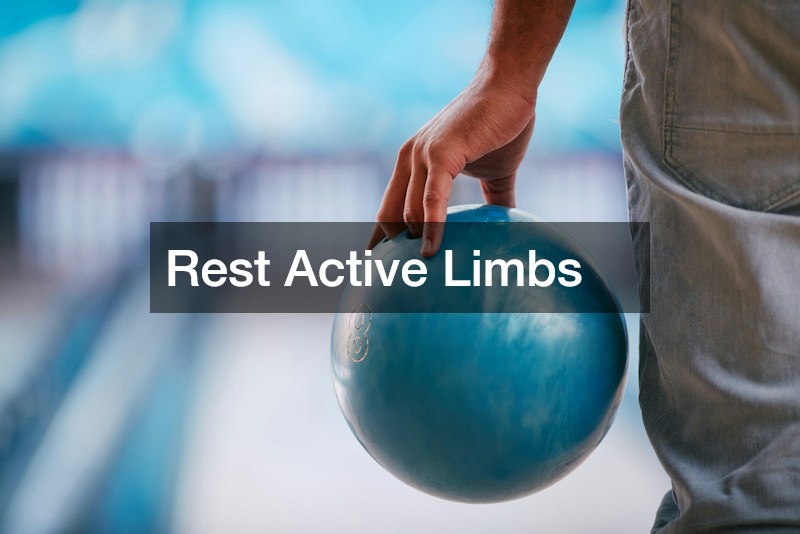
There is a profound difference between total sedentary rest and active recovery when it comes to repairing fatigued extremities. While lying on the couch might feel necessary after a brutal competition, complete immobilization can actually cause muscles to stiffen and fascia to bind. General active recovery involves finding ways to move the body at a very low cardiovascular threshold, just enough to elevate the heart rate slightly and encourage synovial fluid to lubricate the joints. This gentle, systemic movement helps to accelerate the healing process by keeping the tissues warm and pliable without adding any additional structural stress to the already overworked limbs.
Finding enjoyable, low-intensity activities is key to maintaining consistency with active recovery days. For instance, participating in a casual evening of bowling requires just enough movement to stretch the legs, engage the core, and articulate the shoulders, all without breaking a heavy sweat. This specific type of recreational movement keeps the body from locking up while providing a fun, socially engaging distraction that gives both the physical limbs and the competitive mind a much-needed, restorative break from intense, sport-specific training.
Restore Mobility
Flexibility and joint mobility are the defining characteristics that separate fluid, resilient athletes from those prone to constant injury. Intense muscular contractions naturally cause muscle fibers to shorten and develop microscopic adhesions over time. General mobility work—encompassing dynamic stretching, yoga, and fascial release—is essential to lengthen these tissues back to their natural resting state. When mobility is properly maintained, athletes enjoy a full range of motion, allowing them to absorb impacts safely and generate maximum force through the entire kinetic chain. Without it, movements become restricted, rigid, and highly susceptible to muscle strains.
Sometimes, self-directed stretching is simply not enough to break through stubborn joint capsules or severe soft tissue restrictions. In these instances, seeking the expertise of a chiropractor is critical for restoring proper biomechanical freedom. Through highly specific adjustments and advanced soft-tissue release techniques, they can manually break up deep scar tissue and restore the glide between muscular layers. This specific clinical intervention instantly expands the athlete’s range of motion, ensuring that their joints track properly and their athletic longevity is preserved.
Upgrade Your Soak
The science of athletic recovery is constantly evolving, and the tools available for tissue regeneration have advanced significantly in recent years. While a standard warm bath offers baseline benefits, modern hydrotherapy leverages precise ergonomics, customizable jet pressure, and advanced temperature control to deliver clinical-grade muscle relief. Upgrading the therapeutic environment means transitioning from passive soaking to active, targeted hydro-massage. By embracing these general technological advancements in water therapy, athletes can drastically reduce their downtime, manage chronic inflammation more effectively, and wake up feeling significantly more refreshed and prepared for their next grueling training session.
When the time comes to elevate your home recovery protocol, securing the right equipment tailored to your specific physical dimensions and therapeutic needs is essential. Working closely with a reputable local hot tub company ensures that you are fitted for a spa with jet arrays specifically aligned to target the calves, hamstrings, and lumbar spine. This specific upgrade transforms a simple backyard amenity into a personalized, high-performance recovery tool that actively kneads away lactic acid and accelerates tissue repair, providing a crucial competitive edge in your long-term athletic journey.
Understanding why muscle recovery matters for long-term athletic performance is the key to unlocking a lifetime of health, durability, and competitive success. As we have explored, the journey to peak physical condition does not end when the workout finishes; in fact, the most critical phase of athletic development begins the moment you step off the field. By actively engaging in multifaceted recovery strategies—from enhancing your game speeds through technical active rest to ensuring you align your spine for optimal nervous system function—athletes can drastically reduce their risk of injury. Whether you are treating sore backs with professional structural care, maintaining your home spas, or simply restoring mobility through targeted interventions, every choice you make regarding recuperation compounds over time. By respecting your body’s need to heal and utilizing these diverse physical and mental tools, you ensure that your athletic performance remains exceptional not just for the next season, but for decades to come.